Hydro Jetting in Rockwall, TX
Snaking punches a hole through a clog. Jetting scours the whole pipe wall clean: grease, scale, and root hair, with the camera proving the result.
Request Service
Tell us what is happening. We respond fast, and we show you the problem on camera before we quote the fix.
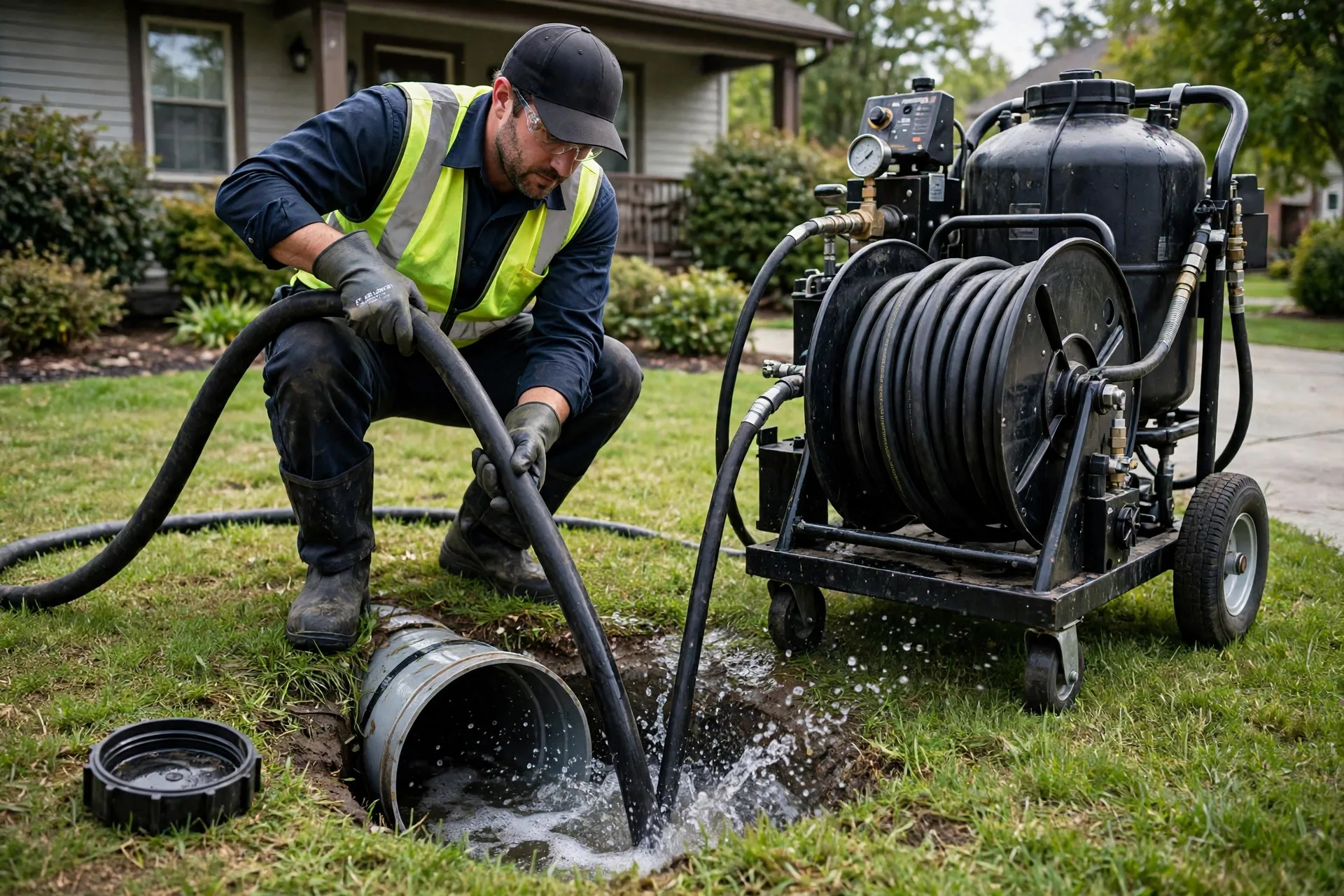
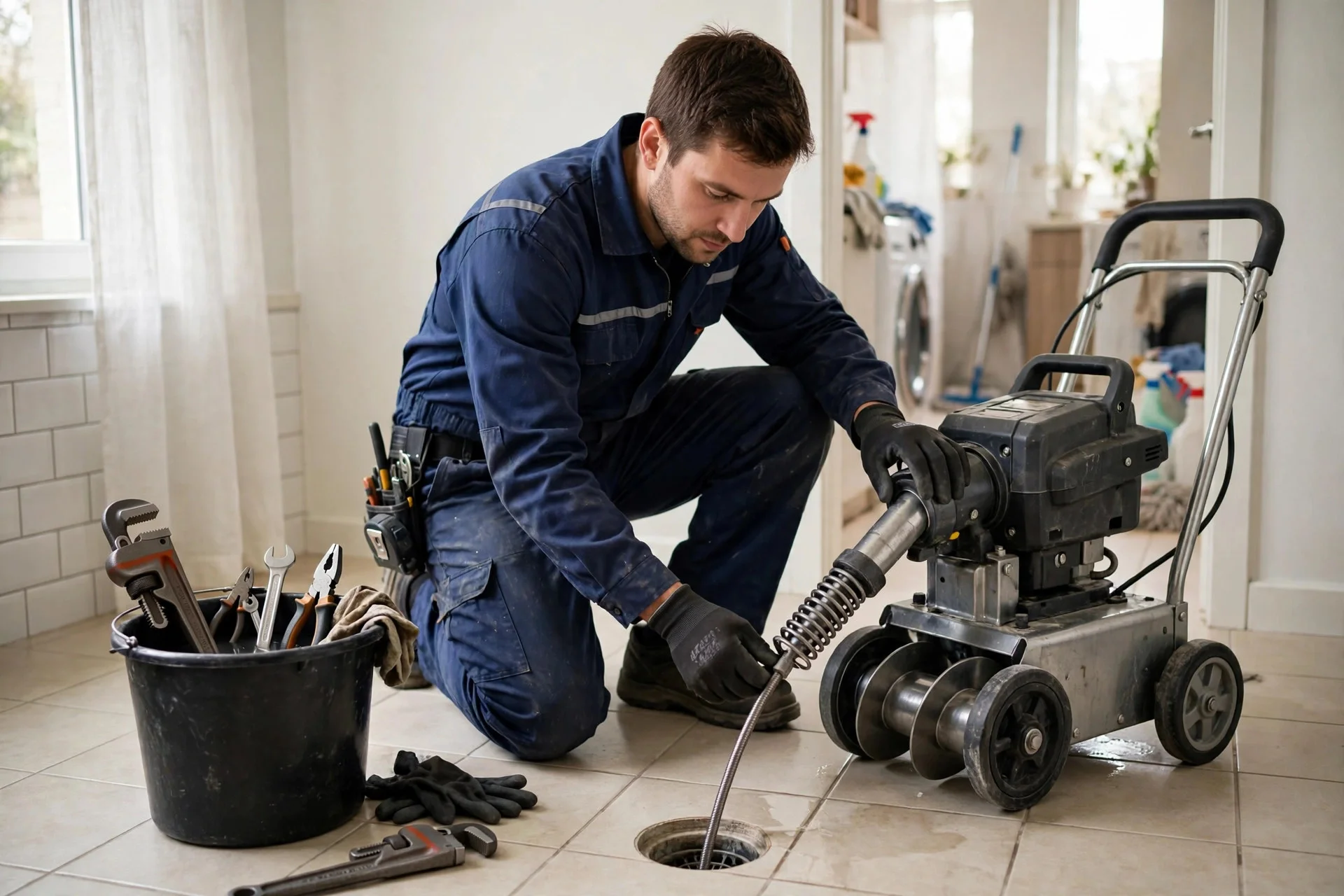
Hydro jetting Rockwall TX is the work of scouring the inside wall of a drain or sewer line clean with a high pressure water jet, instead of merely punching a channel through a clog the way a cable does. We run a jetting hose through the cleanout, and the nozzle at its end sprays water backward and forward as it travels, cutting grease off the wall, flushing scale loose, and washing root debris out of the line. A line that has been jetted properly drains through a clean bore, not through a hole in a blockage, and the camera pass afterward proves it. Jetting is a cleaning method, not a repair: it restores a sound pipe to a clean wall, and it cannot fix a pipe that has collapsed, lost its shape, or dropped into a belly.
Hydro jetting Rockwall TX and what snaking cannot do
At a glance
- A cable punches a channel and leaves the wall coated.
- A jet scours the wall itself clean.
- Camera before and after proves the wall, not just the flow.
- Jetting cannot fix a collapsed pipe, a deep belly, or a lost bore.
A cable and a jet do different jobs, and the difference is the wall of the pipe. A cable, or snake, works by turning a cutting head through a blockage. It punches a channel through the clog so water can pass again, and on a simple soft blockage that channel is enough. But the wall of the pipe around that channel is untouched. Grease that has coated the wall stays coated. Scale that has roughened the wall stays rough. A root mat that was cut through stays rooted at the joints, with its base intact, ready to grow back through the channel. That is why a snaked drain so often slows again a few months later. The clog was opened, not removed, and the conditions that built it are still in place.
Jetting works the wall. The nozzle sprays as it moves, and the spray scours grease off the wall, strips loose scale, and flushes the debris downstream and out of the line. The finished bore is the pipe itself, clean, rather than a hole through a blockage inside a dirty pipe. That difference shows up in how the line behaves afterward. A snaked line drains through a channel that narrows again as the mat regrows or the grease recoats. A jetted line drains through its full bore until new buildup forms, which takes far longer, because the buildup has to start from a clean wall rather than from a mat that was never removed. Jetting is not magic, and it does not repeal grease or roots. It resets the wall to clean, which is the strongest starting point any cleaning method can give you.
What the crew learns: camera before and after
There is also a difference in what the crew learns. A cable tells you the line is open because water flows. It tells you nothing about the wall it passed through. Jetting is paired with a camera pass before and after, so the crew sees the wall before the jet and the wall after it, and you see both. The before footage shows what the jet has to remove. The after footage shows whether it removed it, or whether the wall underneath the buildup is damaged in a way cleaning cannot fix. That pairing is what turns jetting from a stronger clearing into a diagnosis. A line that jets clean and stays clean had a buildup problem. A line that jets clean and shows cracks, offsets, or a belly underneath had a pipe problem wearing a buildup disguise, and the next step is a repair conversation, not another jetting pass.
Snaking still has a place, and we use it. A simple fixture clog near a trap, a soft blockage in a short branch, or a first pass to open a fully blocked line so a camera can get through are all cable jobs. Jetting is the job for a line that keeps clogging, a line coated in grease or scale, a main line with root debris, or any line where the wall itself is the problem rather than a single lump in the flow. Choosing between them is a judgment about the wall, and the camera is how that judgment is made honestly instead of by habit. That wall-first judgment is what separates hydro jetting Rockwall TX work from a stronger clearing sold as a cure, because the jet is aimed at a wall the camera has already mapped.
That camera pass is the sewer camera inspection step, run before and after the jet.
Grease, scale, and roots: three different enemies, three different jetting approaches
Grease, scale, and roots are not three names for the same clog. They behave differently, they build differently, and the jetting approach for each one is different. Treating them as one problem is how a jetting job leaves half the buildup behind while looking finished on the surface.
Grease is the kitchen problem. It enters the line hot and liquid, cools as it travels, and coats the pipe wall in layers that harden over time. A grease coated line narrows gradually, drains slowly, and smells, because the coating traps debris and slows everything behind it. The jetting approach for grease is a scouring pass that peels the coating off the wall rather than merely cutting a channel through it. The nozzle works the full circumference of the pipe, and the passes repeat until the wall reads clean on camera, not until water flows. Water flow is a low bar for a grease line. A channel through grease flows, and then recoats. A wall stripped clean drains at full bore and gives grease a clean surface to start on again, which buys real time. Kitchen lines in Rockwall homes, where cooking grease meets long runs to the main, are the classic grease case, and the after camera is what separates a grease job done right from a grease job that merely opened a hole.
Scale is the cast iron problem, and it behaves nothing like grease. Scale is mineral and corrosion buildup on the inside of the pipe wall, rough and hard, narrowing the bore year by year. A scaled line does not block suddenly. It drains worse and worse until a normal day of use becomes a slow drain, and then a backup. Jetting scale is a careful job, because the goal is to strip loose scale and rough buildup off the wall without attacking a wall that is already thin. The nozzle choice and the pass pattern for scale are different from grease work: the jet works the rough surface to knock loose material free and flush it out, and the camera after shows how much bore is actually left once the loose material is gone. That after picture is sometimes unwelcome news, because a line that looked like a buildup problem can turn out to be a bore problem, with the wall itself too far gone to drain well even when clean. In that case jetting has still done its job, because it revealed the true condition of the pipe instead of letting a cleaning pass hide it for another season.
Roots: the yard problem and the joint plan
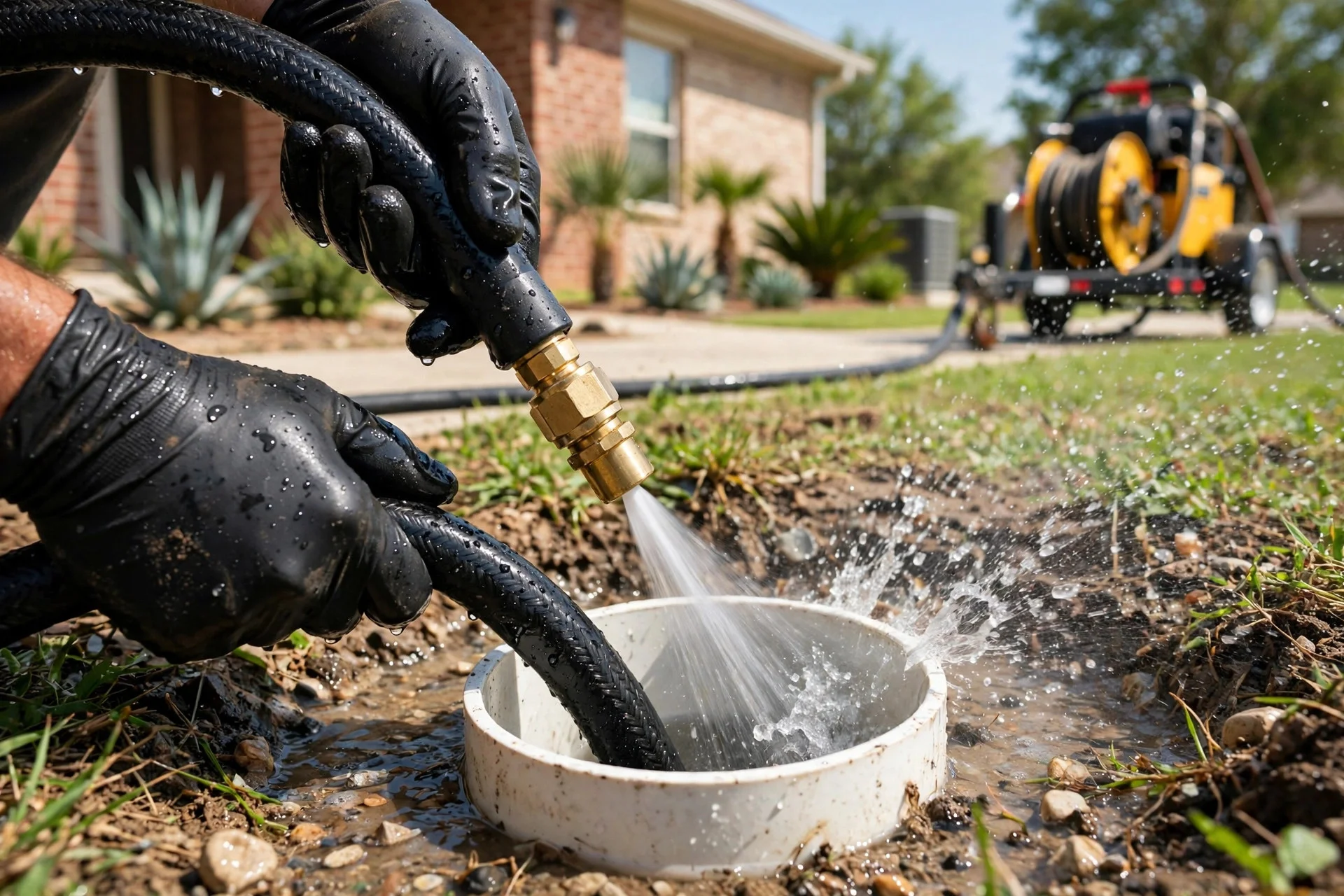
Roots are the yard problem, and they need the most honest framing of the three. A jetting pass can flush root debris out of a line and scour the root hairs back, and a line full of root debris drains far better after jetting than after a cable pass that merely cut a channel through the mat. But jetting does not remove the root entry points. Roots enter through joint gaps, and as long as those gaps are open, roots will come back. Jetting a root invaded line without a plan for the joints is a maintenance pass, not a cure, and we say so before the job rather than letting the clean after footage imply a permanent fix. The right sequence for roots is cutting first where a mat is thick, then jetting to scour the wall and flush the debris, then a camera pass to map the joints the roots used. That map is the basis for the real fix, whether that is a sewer line repair at the failed joints or, when the line qualifies, a trenchless renewal that seals the joints along the run. Jetting buys the line time and proves its condition. It does not close joints.
How a jetting job runs
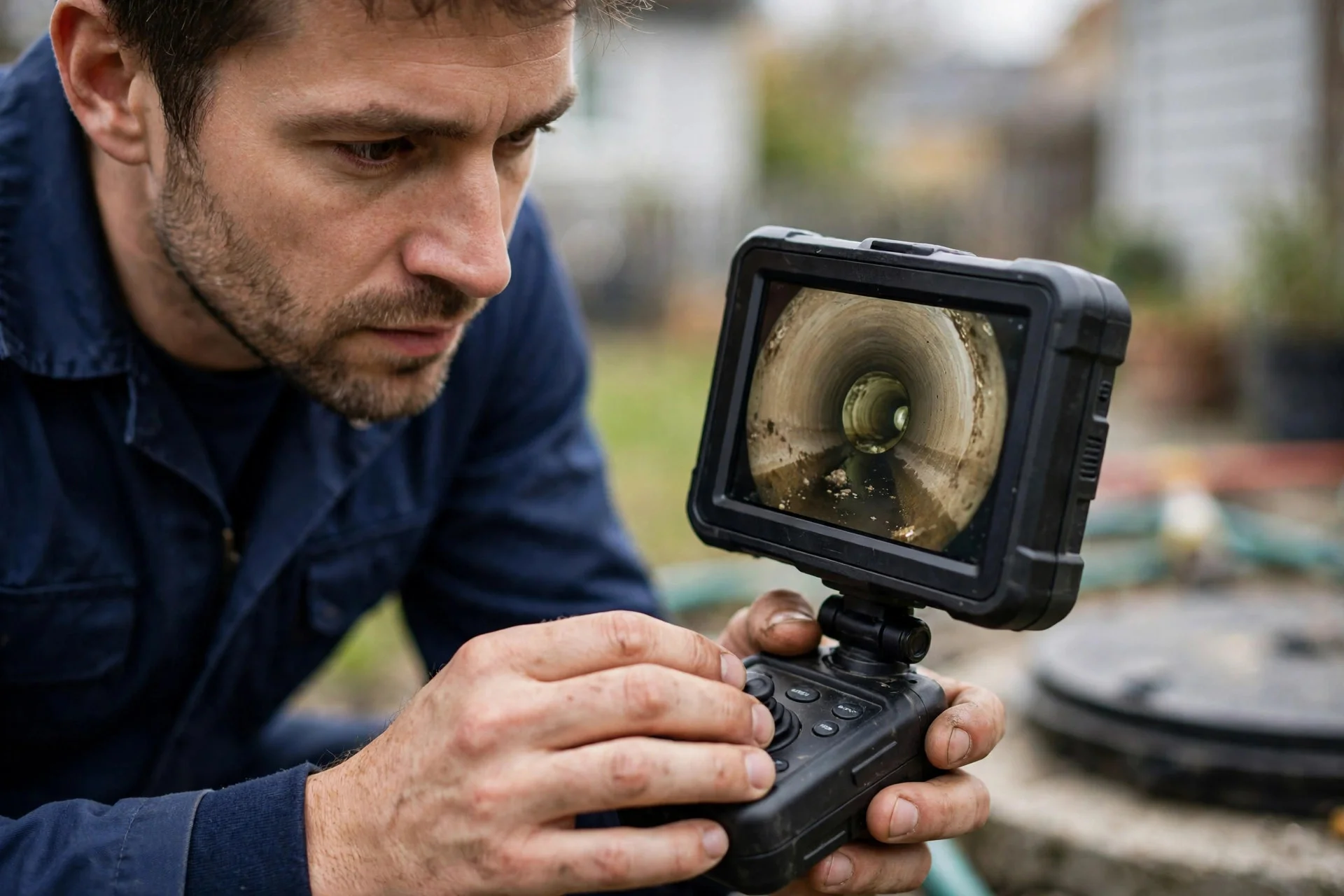
A jetting job runs in a fixed order, and the order is part of the quality. It starts with the camera before, not with the jet. We push the camera through the cleanout and record the line as it stands: where the buildup sits, how thick it is, whether roots are present, whether the wall underneath shows cracks or offsets, and whether the line holds its grade. That before footage does two jobs. It tells the crew which nozzle and which pass pattern the line needs, and it gives you a baseline, so the after footage means something when you compare them. Jetting without a before camera is guessing at the enemy, and a crew that jets blind can scour a line that should never have been jetted, like a fragile or collapsed section hiding behind the buildup.
With the map in hand, the jetting passes begin at the cleanout. The hose enters the line and the nozzle travels downstream, spraying as it goes, and the crew works it back and forth through the worst sections rather than making a single fast pass and calling it done. A single pass opens a channel. Repeated working passes scour the wall. The debris the jet frees is flushed downstream and out of the line, and the crew watches the flow at the cleanout and at the fixtures to judge how the line is clearing. On a grease line, the passes continue until the wall is stripped. On a scale line, they continue until loose material stops coming out and the wall reads as clean as the old pipe allows. On a root line, the jetting follows any cutting pass, scouring the wall and flushing the cut debris so it does not settle further down the line and form a new blockage downstream. That downstream point matters, because debris flushed from one section can dam up in a belly or at a bad joint further along, and a careful crew checks the whole run, not just the section that was worst.
The camera after: the proof of the job
Then comes the camera after, and this pass is the proof of the job. We run the camera through the jetted line and record the clean wall, section by section, and we show you that footage beside the before footage so you can see the difference yourself. A clean wall reads smooth, with the full bore open and no coating, mat, or loose debris left in the flow. If the after footage shows a section that is still coated, we jet it again before we pack up, because a job that leaves a coated section is a job that will clog at that section first. If the after footage shows damage under the buildup, cracks, a belly holding water, a collapsed spot, or a joint offset that cleaning exposed, we mark it and talk about the repair that damage needs. That is the point of the pairing: the jet cleans the line, and the camera tells you what the clean line actually is.
From inside the house, a jetting job is louder and wetter than a cable job, and we say that before we start. The jetting unit sits outside, the hose runs through the cleanout, and water runs through the line in volume during the passes. Fixtures on the line being jetted stay off during the work, and the crew tells you which fixtures those are before the hose goes in. When the job is done, we run water through every fixture on the line and watch it drain, because a line that jets clean but still drains poorly at one fixture has a branch problem the main pass did not touch. The finished job leaves you with two things: a line that drains through a clean bore, and footage of that bore, before and after, that you can keep.
When jetting is the wrong call
Jetting is a strong cleaning method, and strong methods have lines they should not cross. The first is a fragile pipe. A cast iron line that has scaled thin, a clay line that is already cracked through, or any line whose wall is holding together more by habit than by strength can be damaged by a jet that a sound pipe would shrug off. The camera before is what catches this, because a thin or cracked wall reads on camera before the jet ever touches it. When we see that fragility, we say so and we do not jet, because a cleaning pass that breaks a fragile line has turned a maintenance job into an emergency repair, and no clean wall is worth that trade.
The second is a collapsed or badly deformed line. Jetting cannot reopen a pipe that has flattened, and running a jet into a collapsed section wastes water and risks driving debris into the collapse and packing it tighter. A collapsed section needs a repair, not a cleaning, and the repair conversation starts with the camera footage, not with a stronger jet. The same rule holds for a severe belly. Jetting a belly scours the belly clean, and the belly still holds water afterward, because the problem was never buildup. It was grade. A jetted belly clogs again quickly, because debris settles in standing water faster than in flowing water, and selling repeated jetting passes for a bellied line is selling maintenance for a defect that needs correction. When the camera shows collapse or a deep belly, we point you to a sewer line repair for that section instead of booking another jetting visit.
The third wrong call: jetting instead of a diagnosis
The third wrong call is jetting as a substitute for a diagnosis. A line that clogs for the fourth time is not asking for a fourth cleaning, however strong. It is asking why it clogs, and the answer lives on camera. Jetting that line without a camera pass may clear it again, and it will clog again, because the cause, a bad joint, a belly, a root entry, or a bore narrowed by scale, is still there under the new buildup. We will jet a repeat clogger, but we jet it with a camera before and after, and we treat the footage as the deliverable, not just the clean drain. If the footage shows a sound wall with a buildup cause, jetting plus a change in what goes down the line is the fix. If it shows a pipe defect, jetting was the last cleaning that line needed before its repair.
Jetting after root cutting: why the order matters
Root work has an order, and getting it backwards costs you the benefit of both steps. Cutting comes first, jetting second, camera last. The reason is mechanical. A root mat in a sewer line is a tangled mass anchored at the joint it entered through. A jet alone can flush loose root hairs and debris, but a thick mat will deflect the spray and hold its core, leaving the anchor in place and the channel through it ready to regrow. A cutting head first severs the mat, breaking its mass and cutting it back toward the joint. Then the jet scours the wall, flushes the cut debris out of the line, and strips the fine root hairs the cutter left behind. Reversed, jetting first leaves the mat largely intact, and cutting second leaves cut debris sitting in the line with nothing to flush it out, so it settles downstream and starts the next blockage. Order is not a preference. It is how the two tools complement each other instead of undermining each other.
The order also matters for what the camera can see afterward. Cutting alone leaves debris and fine hairs that obscure the joint on camera, so the crew cannot map exactly which joints the roots used. Jetting after cutting leaves a clean wall and clean joints, so the after camera reads the joints plainly: which ones are gapped, which ones are offset, which ones are sound. That map is the whole point of doing root work properly, because it turns a recurring clog into a repair plan. Without the jetting pass, the map is guesswork. Without the cutting pass, the jetting pass is incomplete. Together, in that order, they give you a clean line and a true picture of why it clogged.
Homeowners sometimes ask whether cutting and jetting together will kill the roots for good. They will not, and we do not claim otherwise. The tree is still outside, the joint gaps are still open, and roots follow water. What cutting plus jetting gives you is a clean line, a mapped set of entry joints, and time: time for the repair that actually closes those joints, whether that is a spot repair at the failed joints or a trenchless renewal that seals the run. We schedule root work with that next step in mind, so the cleaning is not a standalone purchase but the first step of a fix. A root line that is cut, jetted, mapped, and then left without a joint plan is a line that will be cut and jetted again, and we would rather tell you that on the first visit than on the fourth.
Kitchen lines versus main lines: different nozzles, different pressure logic
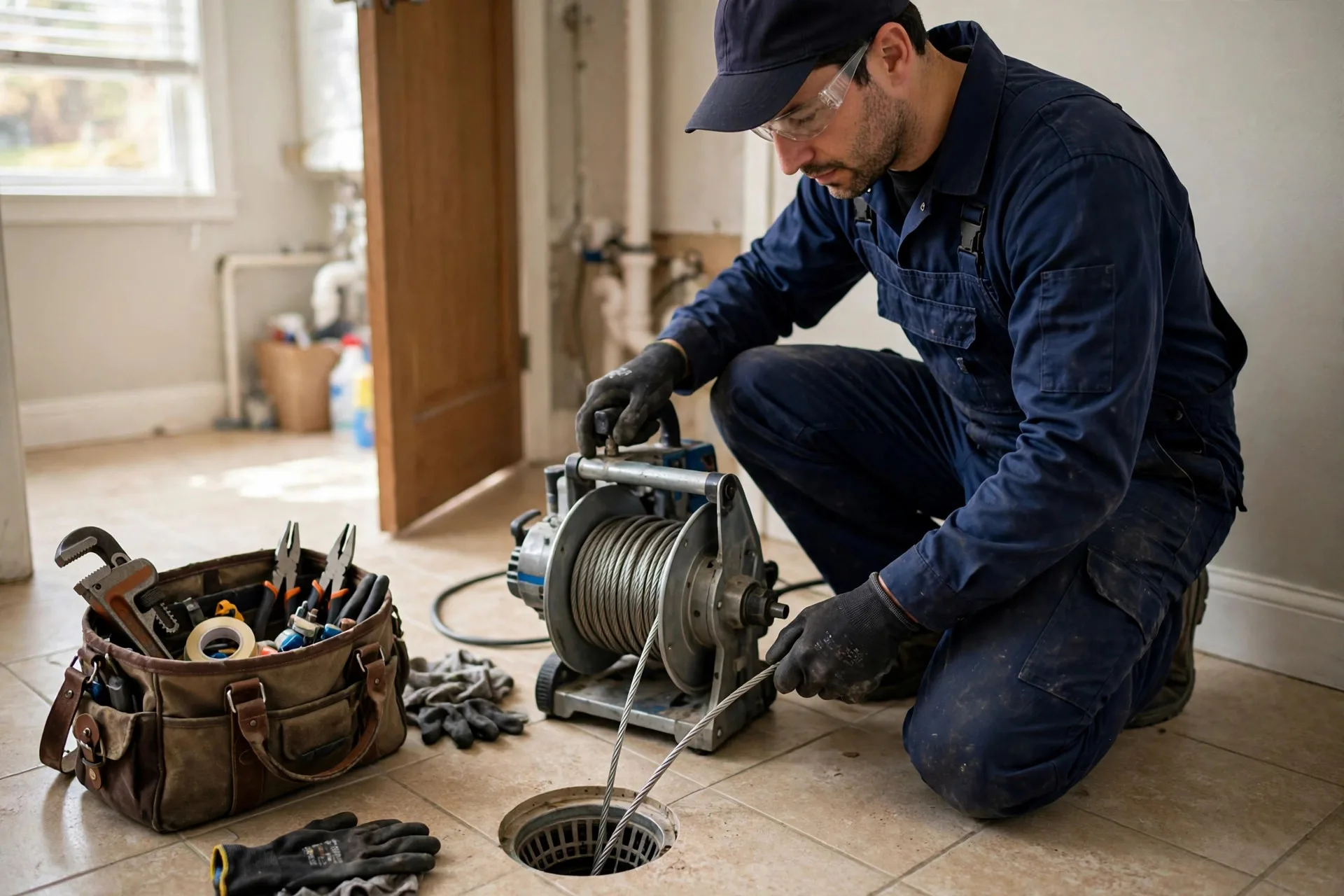
A kitchen line and a main line are not the same jetting job, and a crew that jets them the same way is missing the point of both. A kitchen line is a smaller bore, a shorter run, and a grease problem. The jetting approach there is a smaller nozzle that can navigate the tighter run and the bends of a branch line, working the grease coating off the wall in passes that strip rather than blast. The pressure logic for a kitchen line is restraint: enough spray to peel grease, not so much force that a smaller, older branch line is stressed at its joints. The goal is a stripped wall, and a stripped wall comes from working passes, not from maximum force on a single pass. We camera kitchen lines too, because a kitchen line that keeps greasing up may have a sag or a rough joint downstream that catches grease, and no amount of jetting fixes a sag that keeps collecting it.
A main line is a larger bore, a longer run, and usually a root, scale, or mixed debris problem. The nozzle for a main line is larger, built to scour a bigger circumference and to flush heavier debris downstream, and the pass pattern is longer, working the full run from the cleanout to the street connection rather than a single bad section. The pressure logic for a main line is also restraint, but for a different reason: a main line carries the whole house, and its wall condition varies along its length, from sound newer pipe near the house to older, scaled, or joint gapped sections further out. The jet has to be strong enough to scour the worst section and gentle enough not to damage the weakest, and the camera before is what tells the crew where the weakest section sits. That is why main line jetting without a before camera is a gamble. The crew cannot set the approach for a wall it has not seen.
The distinction also changes what success looks like. A kitchen line succeeds when the wall is stripped and the fixtures on that branch drain quietly, without gurgling or slow draining after a normal use. A main line succeeds when the full bore is clean from the house to the street connection, every fixture in the house drains without affecting another, and the after camera shows a clean wall along the whole run rather than a clean section with a coated section waiting downstream. Both successes are proven the same way, with before and after footage, but the footage for a main line is longer and the standard is the whole run, not the worst spot. A crew that jets the worst spot of a main line and calls the job done has left the rest of the run to clog next.
How Rockwall lots shape the setup
Rockwall lots shape this distinction in practice. Stone Creek and Stone Creek Estates show the newer side of the city, where kitchen lines grease up on long runs and main lines take root mats at the joints even though the pipe itself is young. The jetting approach there is often a kitchen strip plus a main scour, two different nozzle setups on the same visit, because the two problems live in two different lines. Northshore and Breezy Hill show the inland pattern, where drier clay cycles open joints a little more each season, and main line root debris is the repeat call. The jetting work there leans toward root debris flushing and joint mapping, because the wall problem is roots at joints more than grease on walls. Downtown Rockwall brings the oldest stock, where cast iron scale dominates and the pressure logic leans hardest toward restraint, because the wall being jetted is the wall most at risk. Same method, different lines, different setups, and the camera before is what tells the crew which setup your house needs. That setup choice, made from footage rather than from a standard package, is how hydro jetting Rockwall TX jobs stay honest across neighborhoods that fail in different ways.
The same kitchen versus main distinction applies in Rowlett and Wylie, where the housing mix shifts which problem shows up first.
Keeping a jetted line clean: habits that actually help
A jetted line starts clean, and what goes down it afterward decides how long it stays clean. The habits that help are unglamorous, and that is why they work. Grease is the first one. Cooking grease that goes down the kitchen sink cools in the line and coats the wall, layer by layer, until the line narrows again. Wiping pans out and binning grease instead of rinsing it down the drain is the single most effective habit for a kitchen line, and it costs nothing. It will not prevent all grease buildup, because dishwater carries grease no matter how careful the cook is, but it slows the coating dramatically, and a line that recoats slowly is a line that needs jetting rarely rather than regularly.
The second habit is about what else goes down the line. Wipes, even those labeled flushable, do not break down in a sewer line the way paper does, and they snag on any roughness, joint lip, or root hair they meet. Paper towels, cotton pads, and hygiene products behave the same way. A jetted line is smooth, which helps, but a smooth wall with a wipe snagged on a joint lip is a blockage starting again. The rule is simple: only human waste and toilet paper go down the toilet, and only dishwater goes down the kitchen sink. Everything else belongs in the bin. That rule sounds strict until you have seen a camera pass full of wipes wrapped around a root hair, and then it sounds like common sense.
The third habit is attention to early warnings. A drain that slows gradually, a toilet that gurgles when the washer runs, or a fixture that drains fine alone but lags when another fixture runs are all early signs that buildup is returning or that a joint is opening again. Calling at the gurgling stage, with a camera pass, is cheaper and cleaner than calling at the backup stage, because a line that is starting to build up jets clean easily, while a line that has backed up needs clearing under pressure with sewage already in the house. We do not sell a schedule of jetting visits. We sell a clean line, footage of it, and the advice to watch for those warnings. A line that was jetted for grease and then kept grease free may not need jetting again for a long time. A line that was jetted for roots will need its joints addressed, and no habit changes that, because roots do not care what you put down the drain. Habits help the lines they can help, and honesty about the lines they cannot is part of the job. A homeowner keeping a jetted line clean is really protecting the result of hydro jetting Rockwall TX work already done, not replacing the repair a damaged line still needs.
The jetting questions we hear most are answered on the FAQs page.
Is hydro jetting safe for older cast iron pipes?
It can be, when the camera before shows a wall strong enough to take it. Heavily scaled or thin cast iron is fragile, and we will not jet a wall that the camera shows is at risk of breaking under the spray. The before camera is what makes that call. A sound cast iron wall jets clean well. A fragile one needs a repair conversation instead of a cleaning pass.
How is jetting different from snaking a drain?
Snaking punches a channel through a blockage so water can pass, leaving the pipe wall coated and the root mat anchored. Jetting scours the wall itself clean, flushing grease, scale, and root debris out of the line, so the finished bore is the clean pipe rather than a hole through a clog. Jetting is paired with a camera before and after, so you see the wall before and the wall after, and the result is proven rather than assumed.
Will jetting get rid of tree roots permanently?
No. Jetting after root cutting clears the root debris and scours the wall, and the after camera maps the joints the roots entered through, but the joints themselves stay open until they are repaired or the line is renewed. Jetting is the cleaning and mapping step for a root line, and the joint repair is the permanent step. We say that before the job so the clean footage is not mistaken for a cured line.
Do you camera the line before and after jetting?
Yes, every time. The before camera tells us what the jet has to remove and whether the wall is sound enough to jet at all. The after camera proves the wall is clean, shows any damage the buildup was hiding, and maps the joints or defects that decide the next step. You see both sets of footage, and the job is not finished until the after footage reads clean.
My line keeps clogging even after it was cleared. Will jetting fix it?
Jetting may clear it better than the clearings before it, but a line that keeps clogging is asking why it clogs, and the camera answers that question. If the footage shows a sound wall with a buildup cause, jetting plus a change in what goes down the line is the fix. If it shows a cracked joint, a belly, or a collapsed section, that defect is the fix, and we will point you to the repair page for that section rather than selling another cleaning.
Related Services
One trade, seven services. Every service below is drain and sewer only.
Drain Cleaning
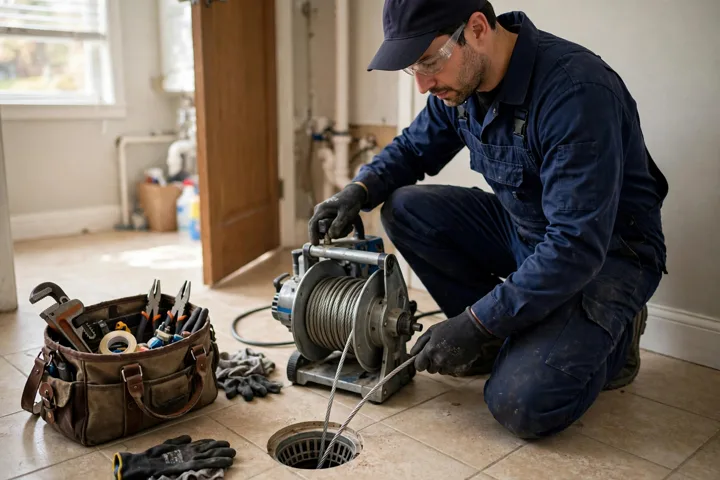
Snaking and clearing for sinks, tubs, toilets, and main lines, with the cause found, not guessed.
Learn more
Emergency Drain Service
Backups and sewage overflows answered fast, with a crew that shows up ready.
Learn more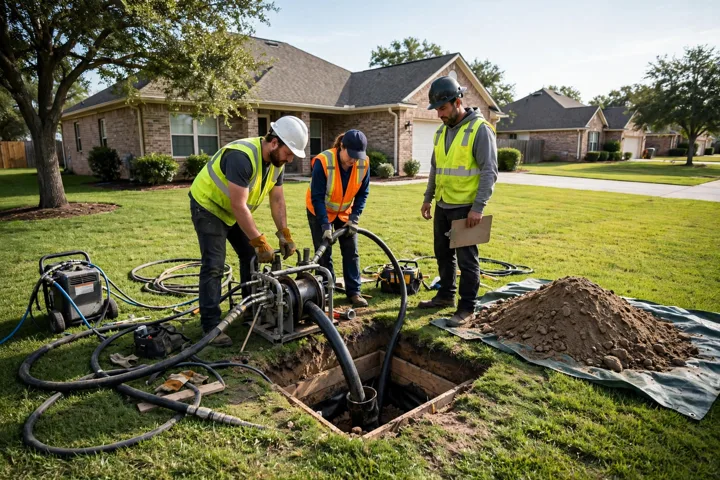
Sewer Line Repair
Spot repairs and section fixes, located by camera first, so we open only what must be opened.
Learn more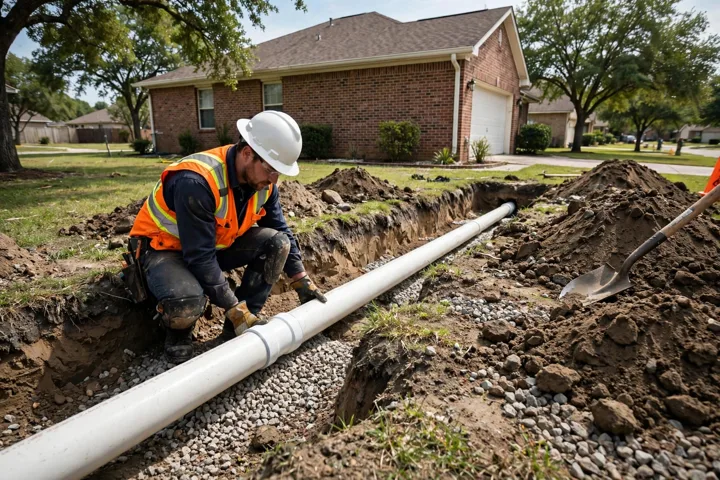
Sewer Line Replacement
Full line replacement in clay and cast iron country, bedded and graded to drain properly.
Learn more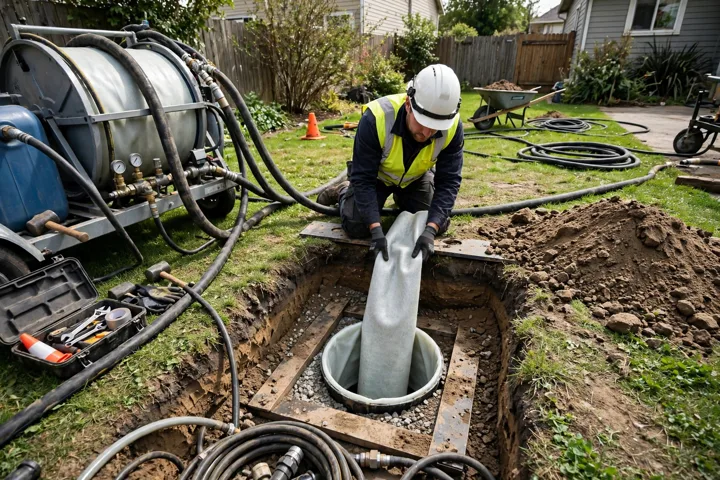
Trenchless Sewer Repair
Pipe lining and bursting that renew the line through small access points, not a torn up yard.
Learn more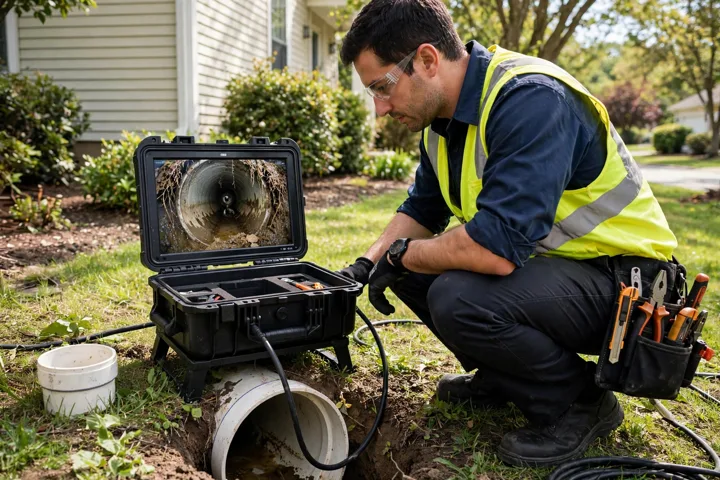
Sewer Camera Inspection
A recorded look inside the line: roots, cracks, bellies, and offsets, shown to you on screen.
Learn moreKeep Reading
Related pages worth opening next, with the ground detail that belongs to each one.
Rowlett
Drain and sewer service for Rowlett homes, from a crew that serves the Rockwall lake footprint.
Learn more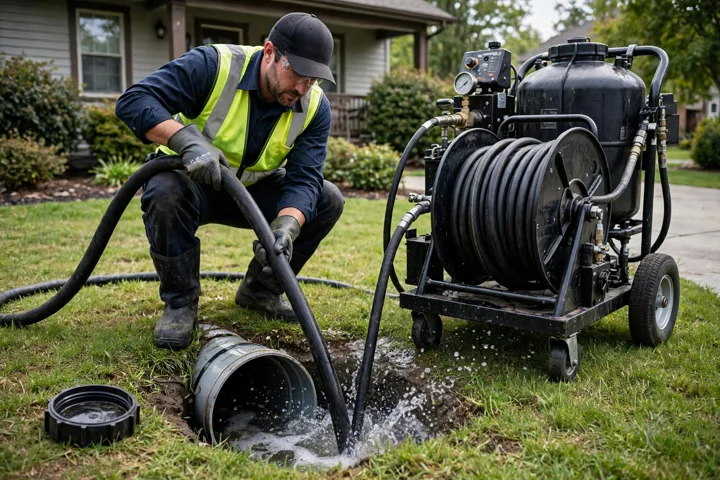
Wylie
Drain and sewer service for Wylie homes, from a crew that serves the Rockwall lake footprint.
Learn moreDrain and Sewer Cost Guide
What drives the price of drain cleaning, repair, replacement, trenchless, jetting, and camera work, no guesswork.
Learn moreDrain and Sewer FAQs
Straight answers to the questions Rockwall homeowners actually ask us, in plain language.
Learn more